Cold Storage Engineering
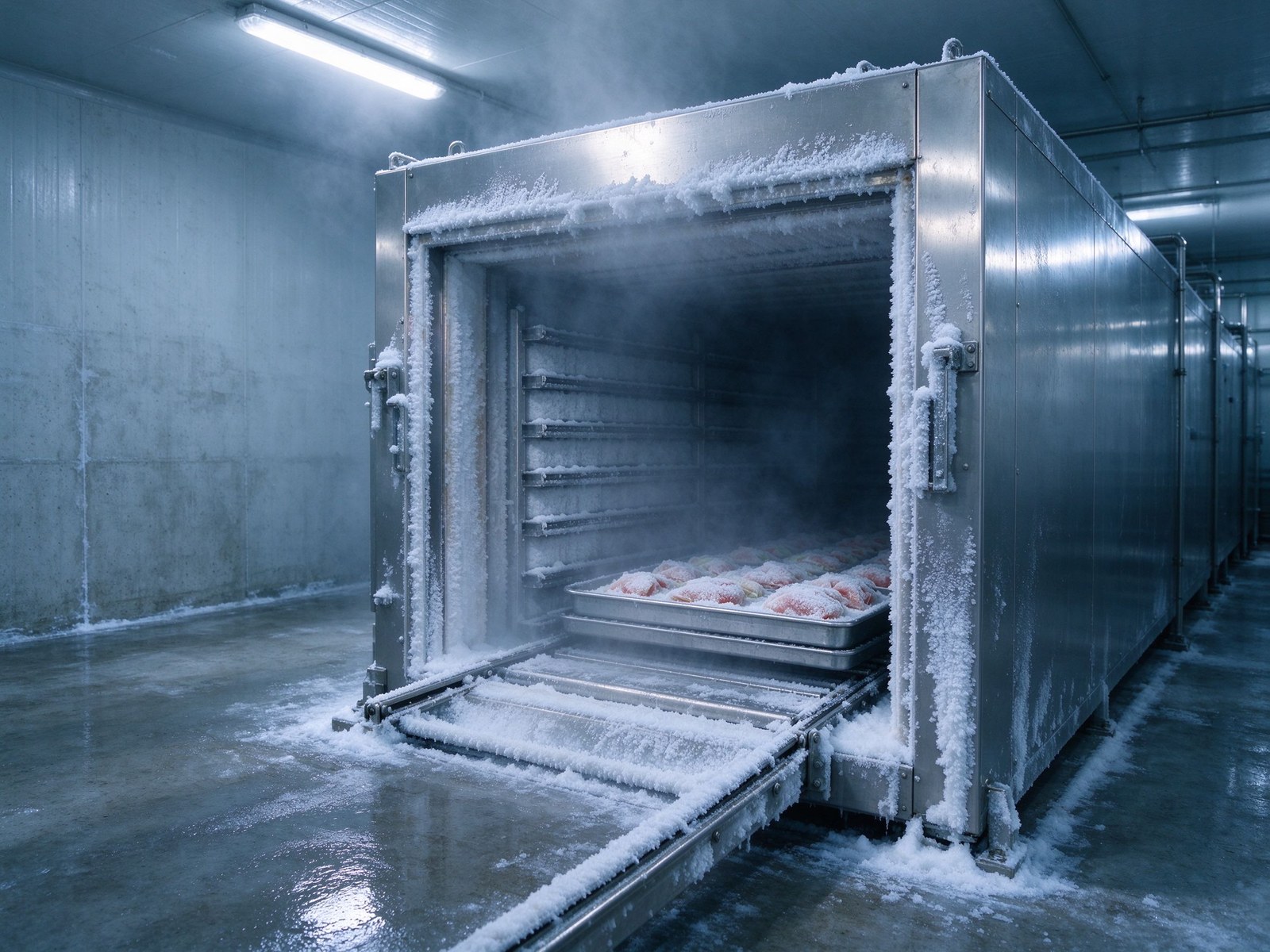
Blast Freezer
Blast freezer rooms operating at -35°C to -40°C with freezing racks or blast tunnels, suited to individual quick freezing and large-batch rapid freezing of meat, seafood and prepared meals.
View Details →From insulated panels and refrigeration units to turnkey cold room engineering, ANCOLD designs and builds reliable cold chain facilities for food, logistics, pharmaceutical and industrial customers worldwide.

Browse our full range of refrigeration and cold storage equipment organized by application.
Blast freezer rooms operating at -35°C to -40°C with freezing racks or blast tunnels, suited to individual quick freezing and large-batch rapid freezing of meat, seafood and prepared meals.
View Details →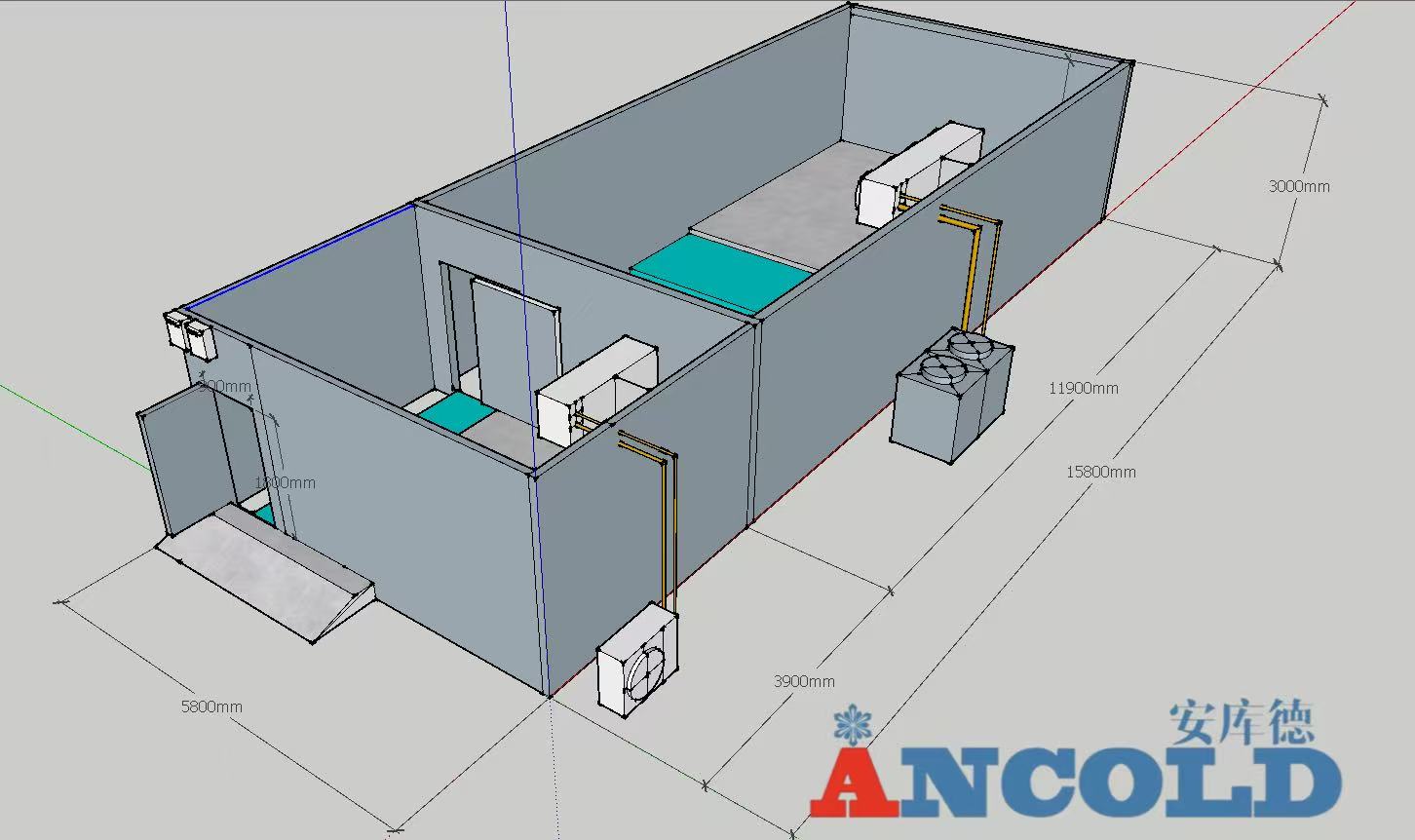
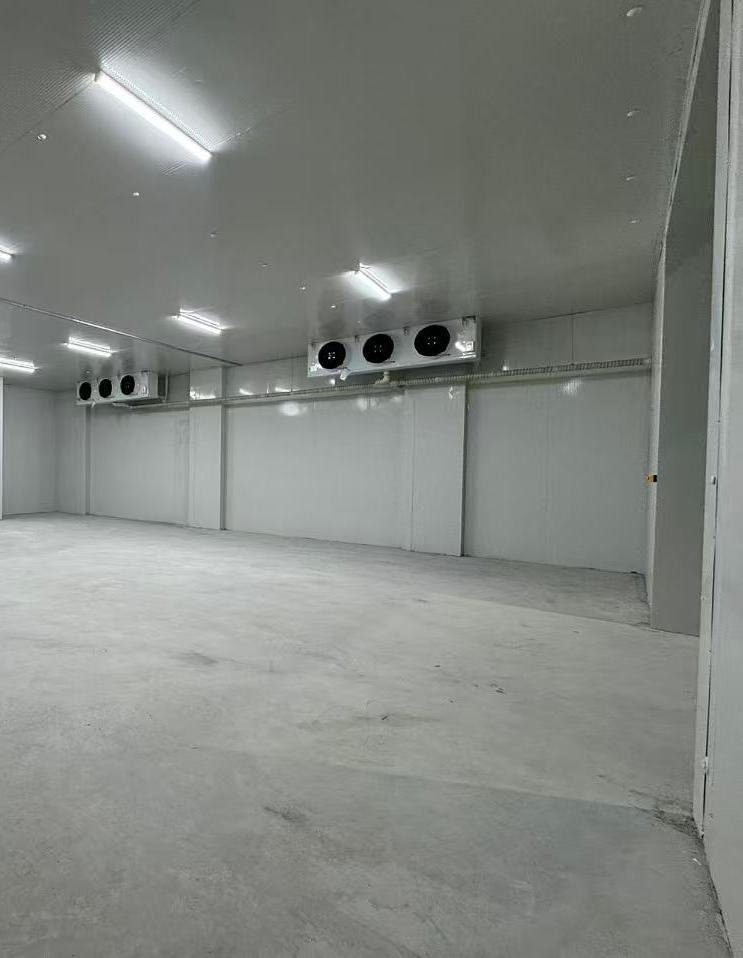
Electric sliding cold room doors with strong sealing and easy operation
View Details →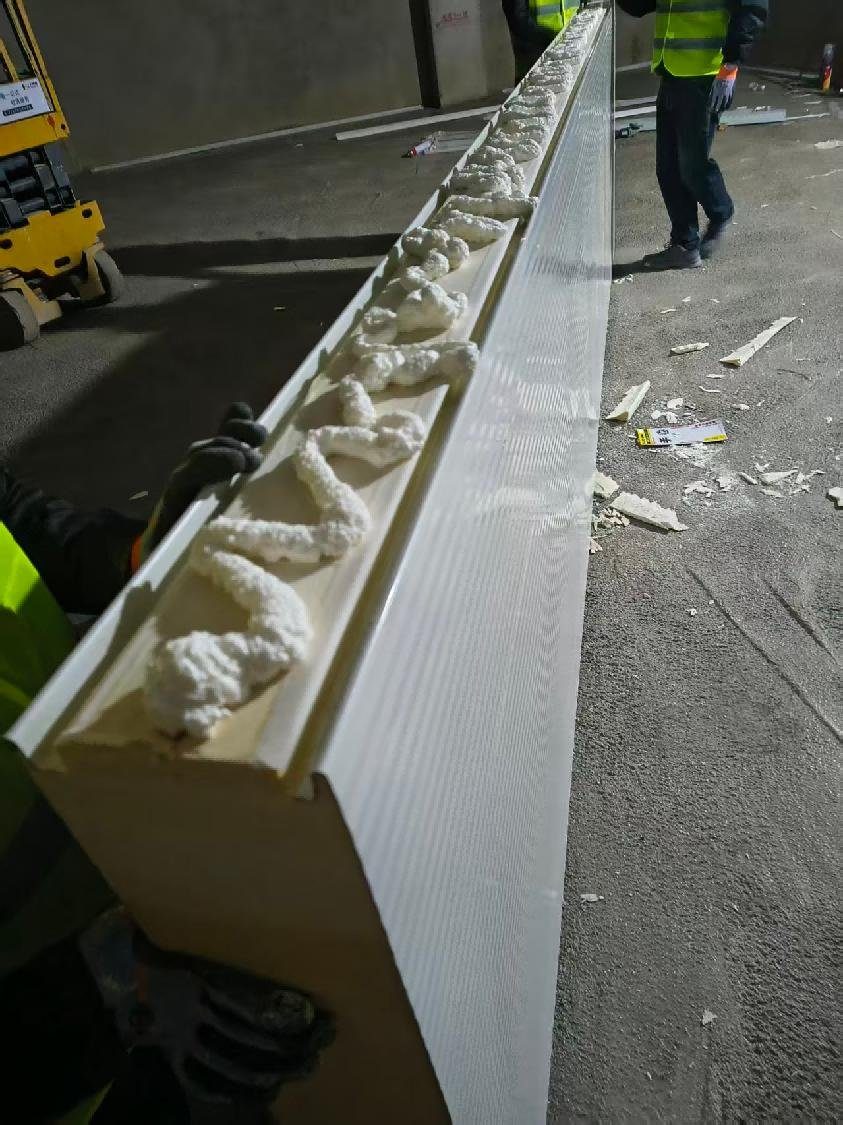
High-efficiency variable-frequency screw compressors; energy-saving and stable
View Details →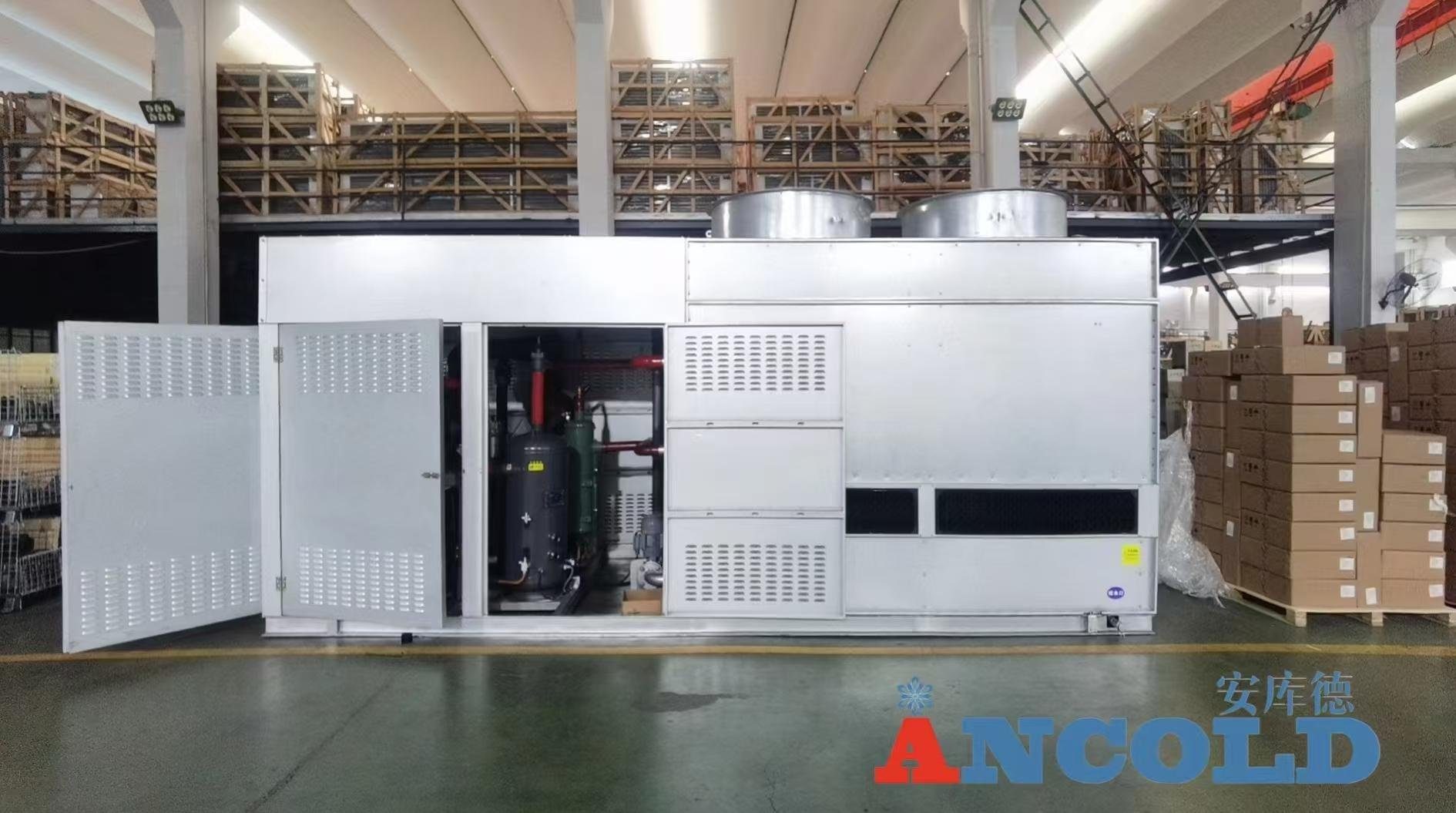
High-efficiency ceiling-mounted air coolers with even heat exchange and easy installation
View Details →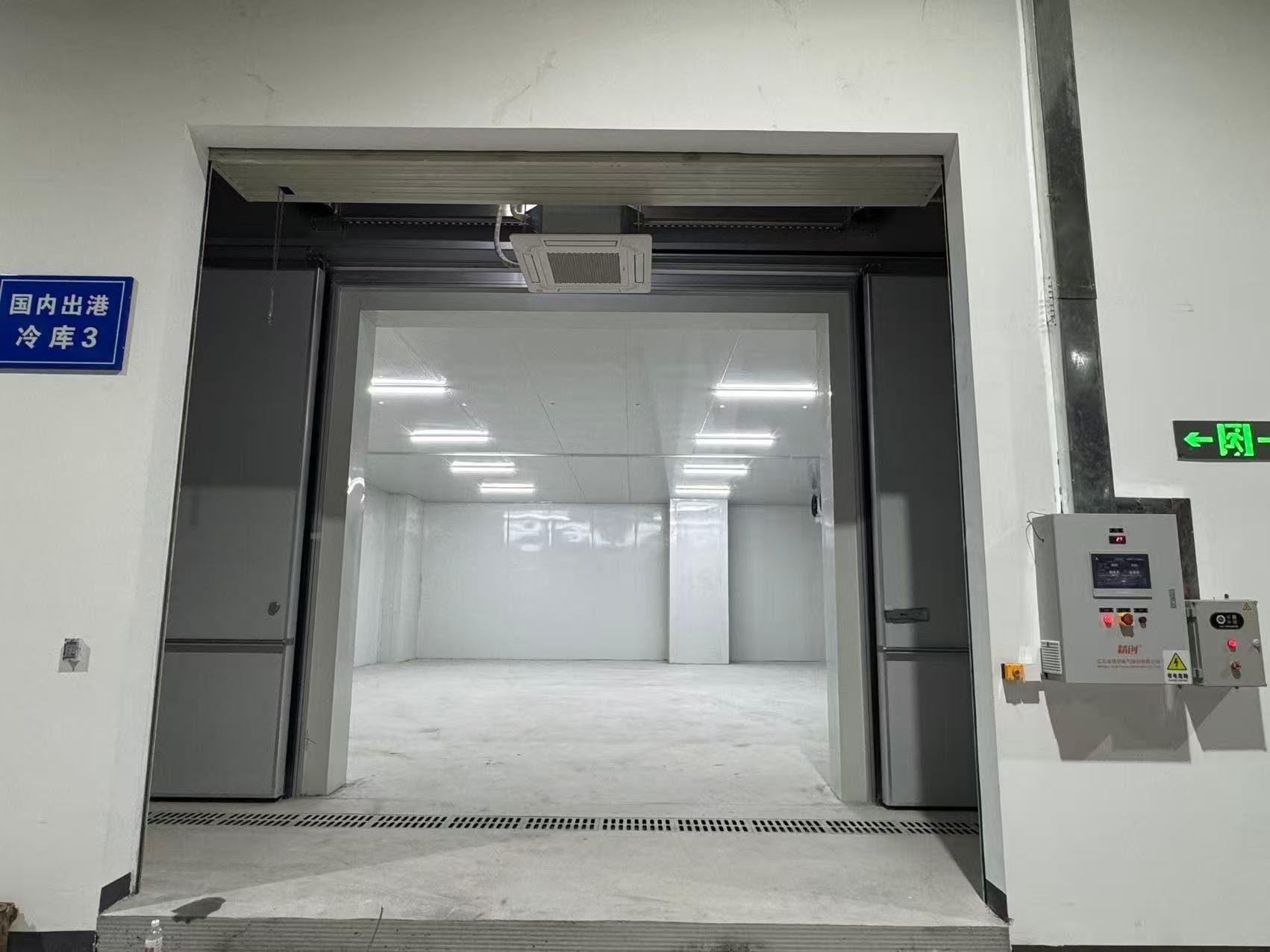
Intelligent electrical control system with remote monitoring and management
View Details →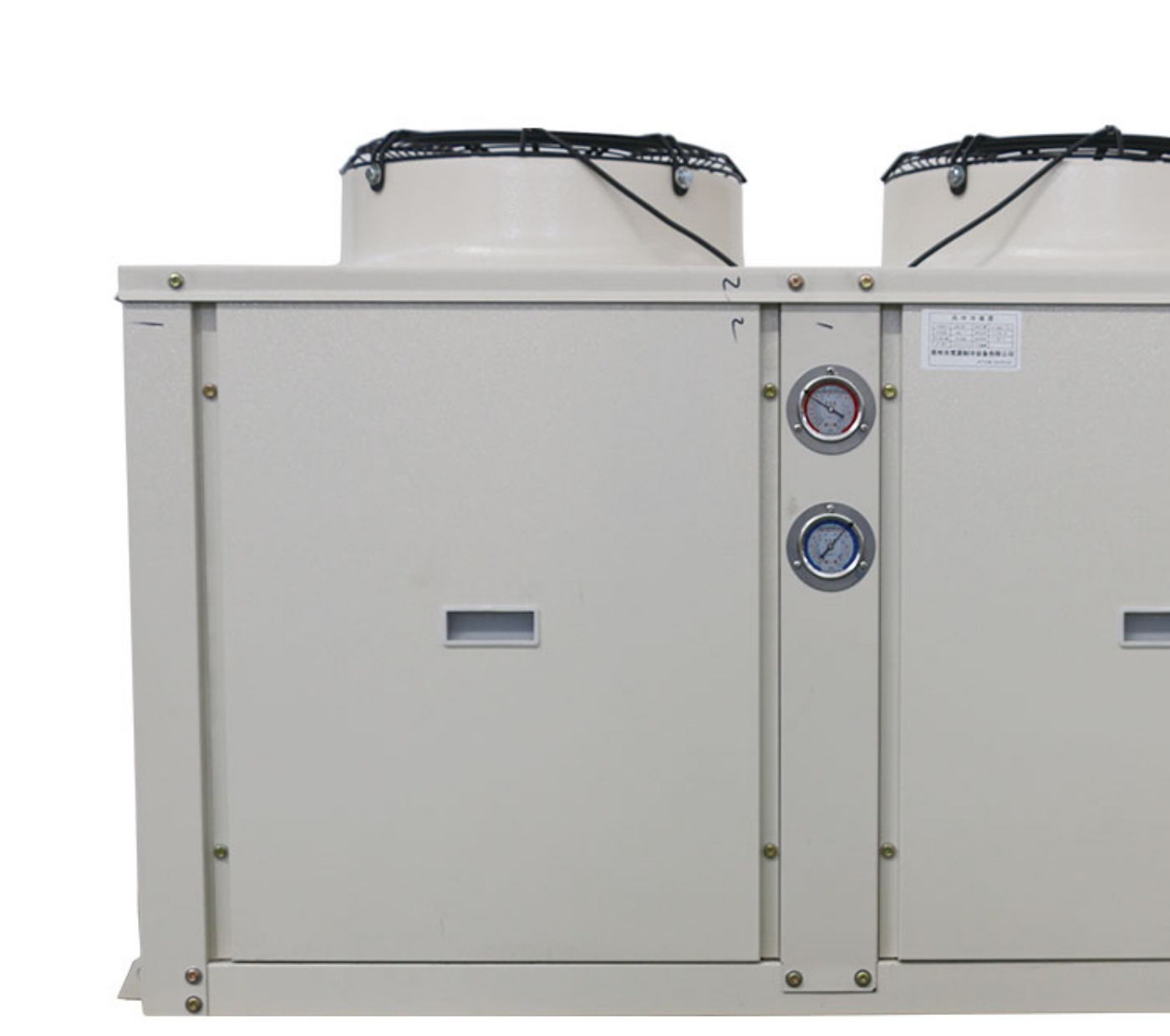
Compact U-shaped air-cooled condenser with top-discharge axial fans that rapidly reject heat to ambient air; no cooling water required.
View Details →Use our cold room selection tool to estimate capacity, panel thickness and refrigeration load from your dimensions and target temperature.
Compressors from Bitzer, Frascold, RefComp, Hanbell, Emerson and Panasonic matched to real operating conditions.
Survey, design, manufacturing, installation and commissioning handled end to end with documented acceptance.
High-density polyurethane insulation and correctly sized units reduce heat leakage and long-term running costs.
English documentation, global terminology and worldwide shipping support for international projects.
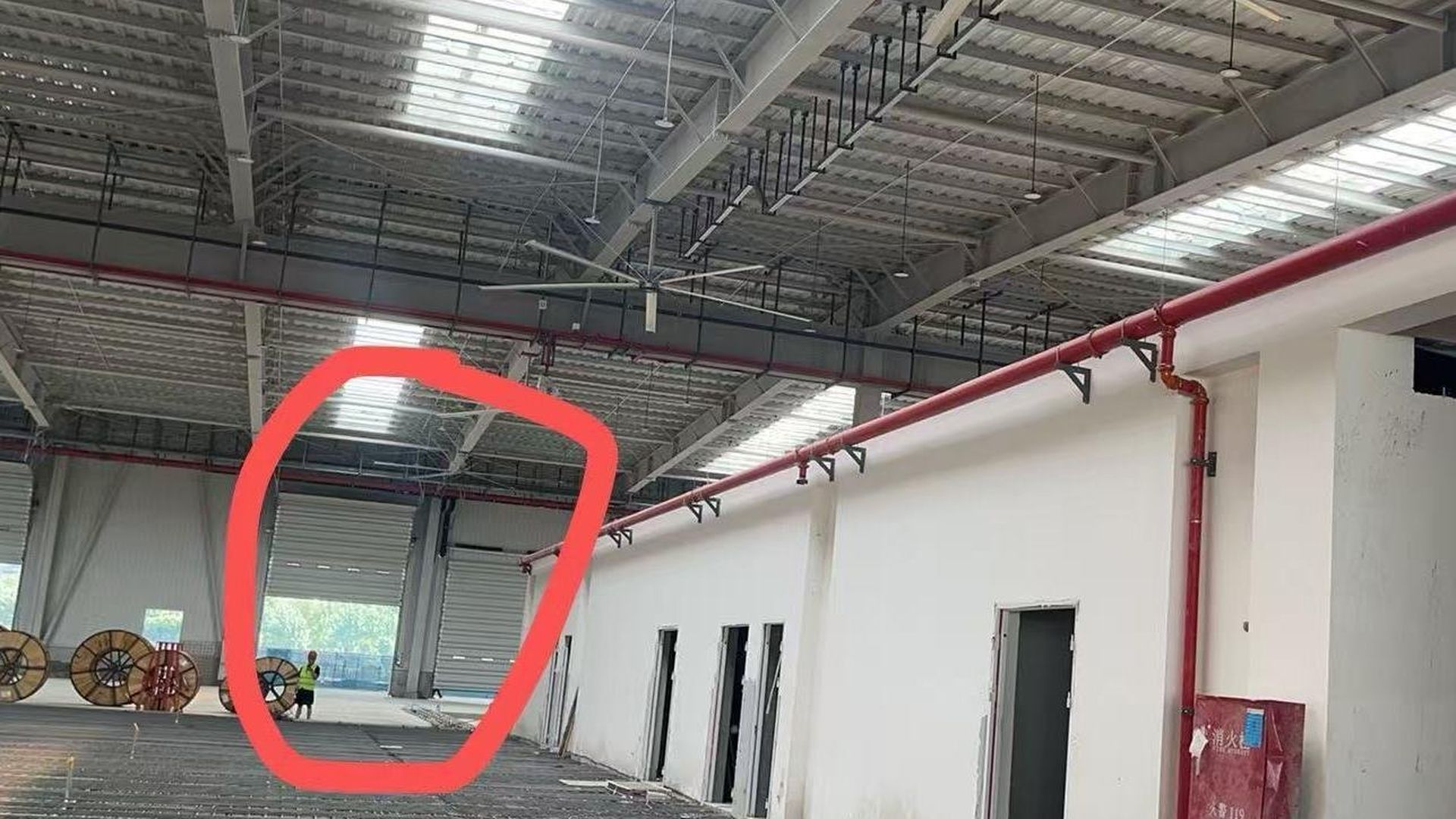
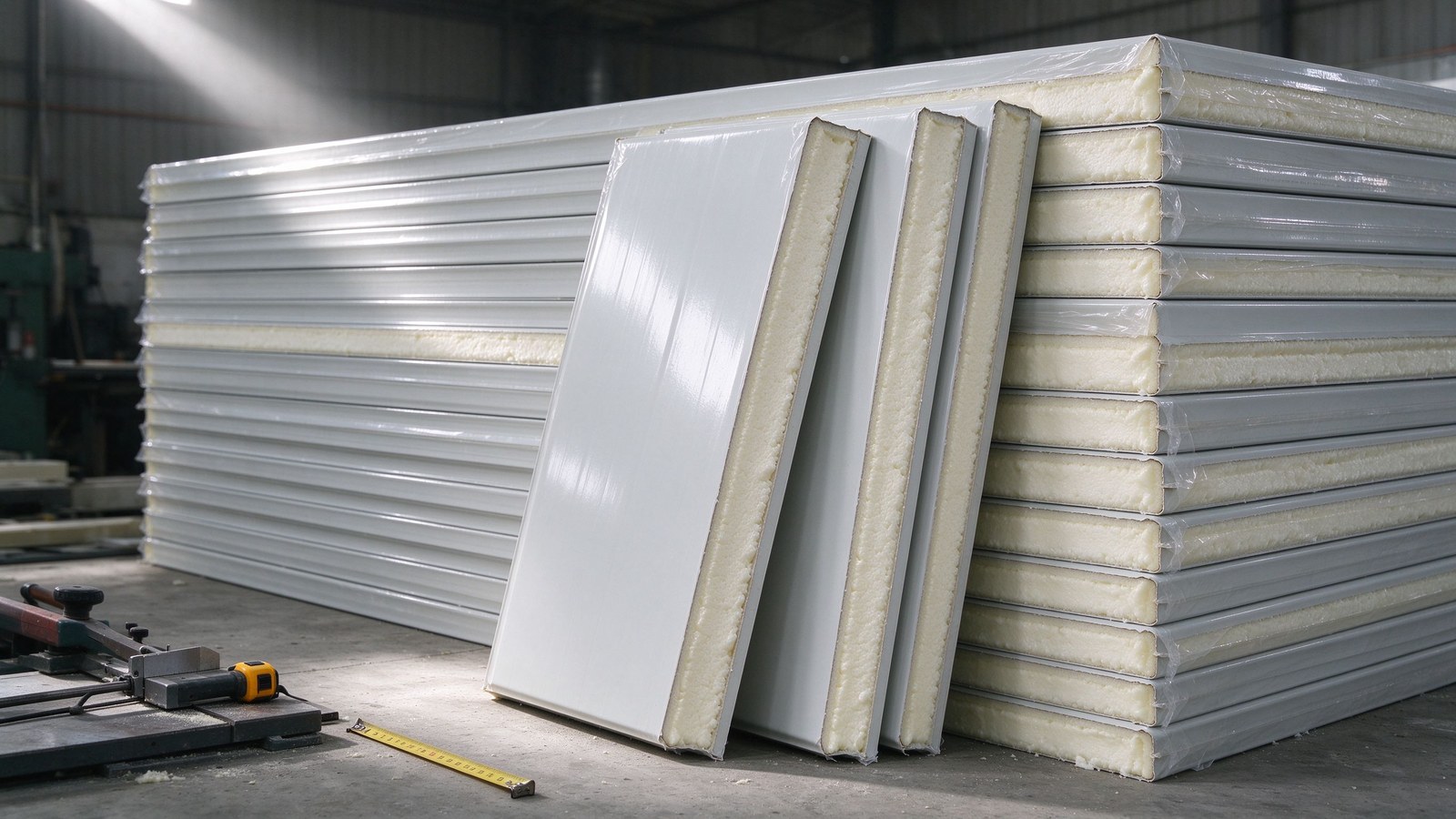
Cold room panels are the core insulation of a cold room, and their thickness, core density and fire rating directly determine heat leakage and running energy costs. This guide gives recommended panel thickness by temperature range, explains the relationship between density and thermal conductivity, and covers fire ratings and sandwich panel construction to help buyers avoid common mistakes.
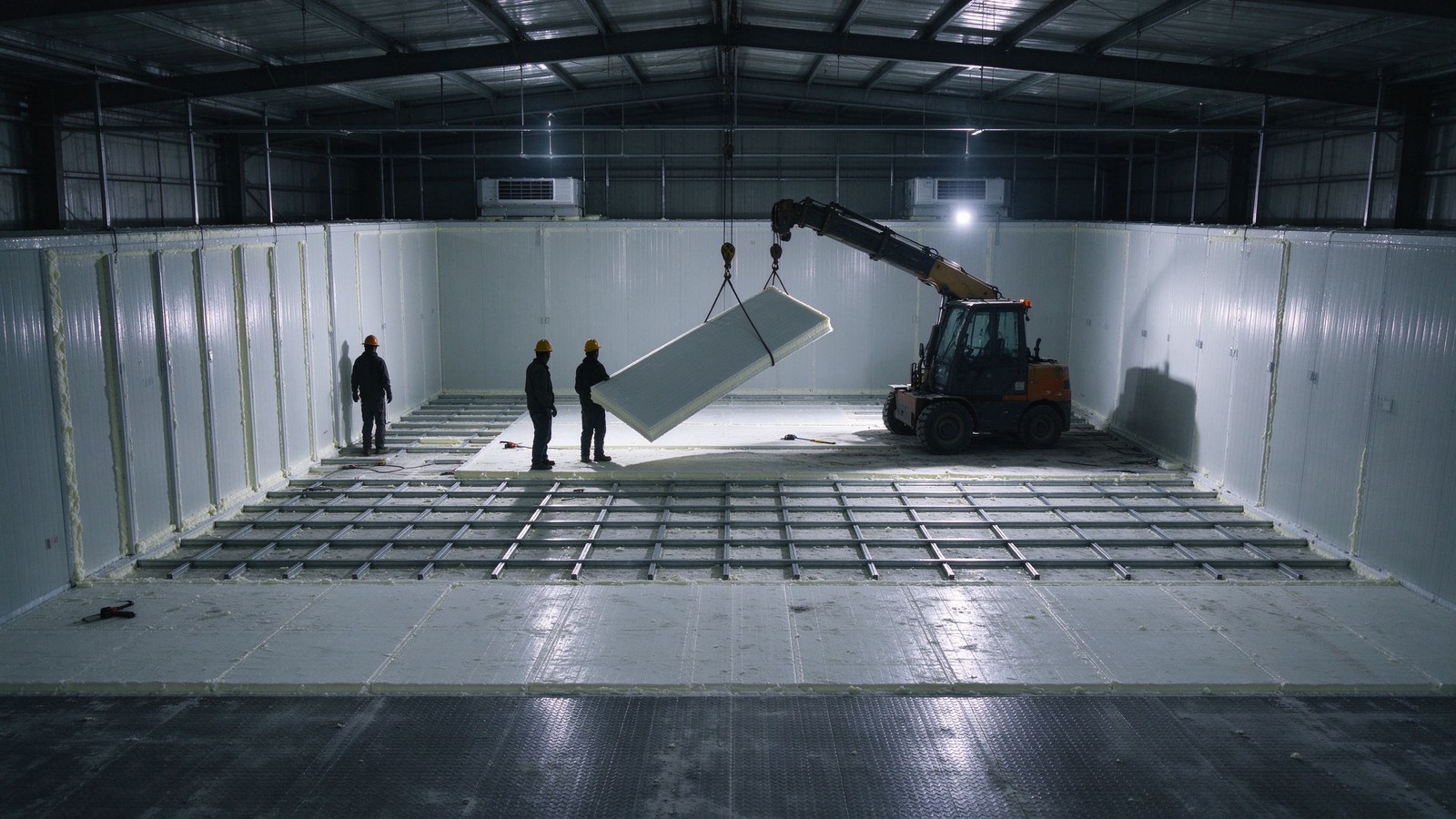
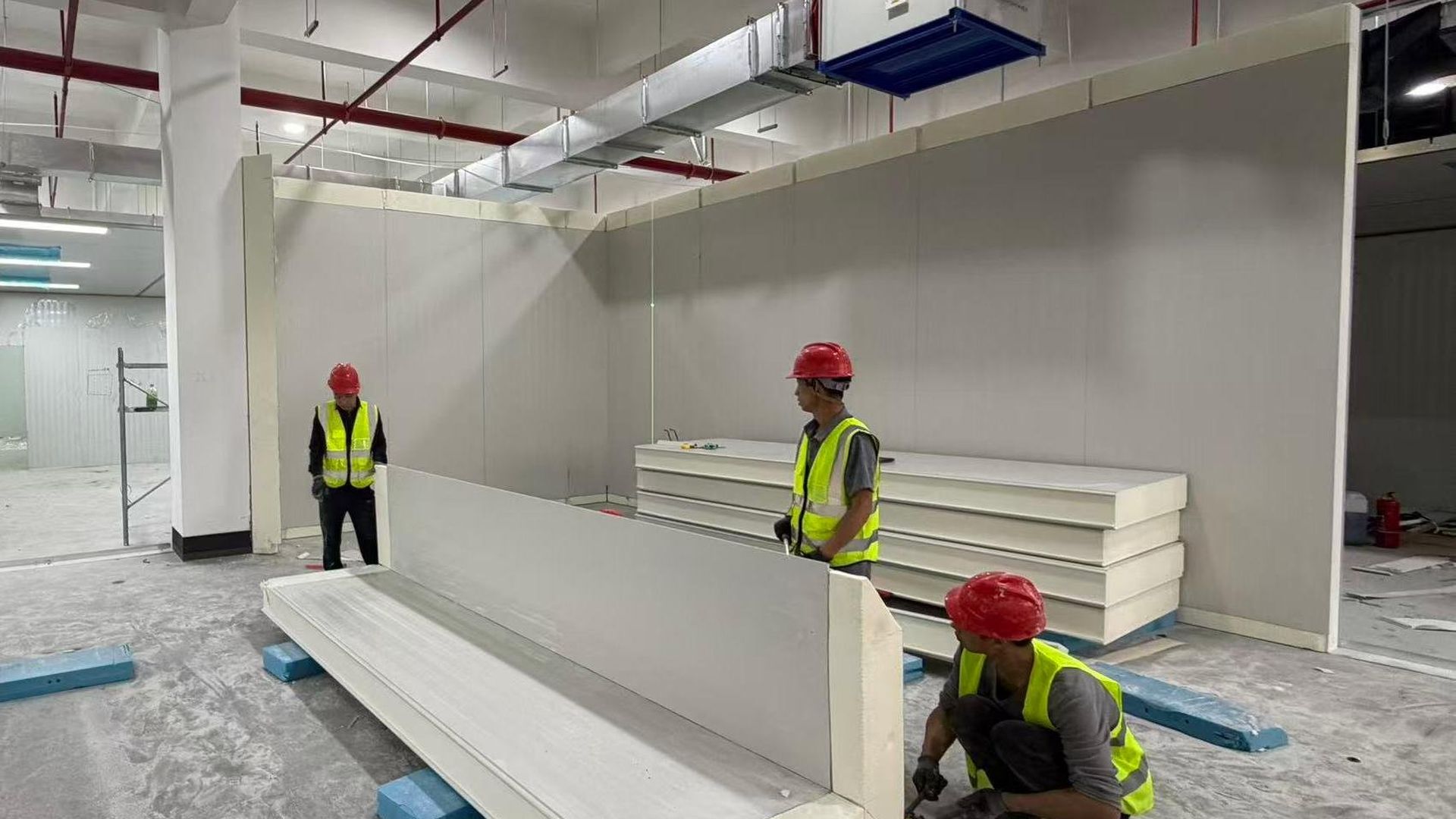
Cold room construction covers site survey, design, panel assembly, unit placement, pipe welding, electrical commissioning and final acceptance. This article breaks down the key actions, typical timelines and owner coordination points at each stage to help buyers manage schedule and quality.
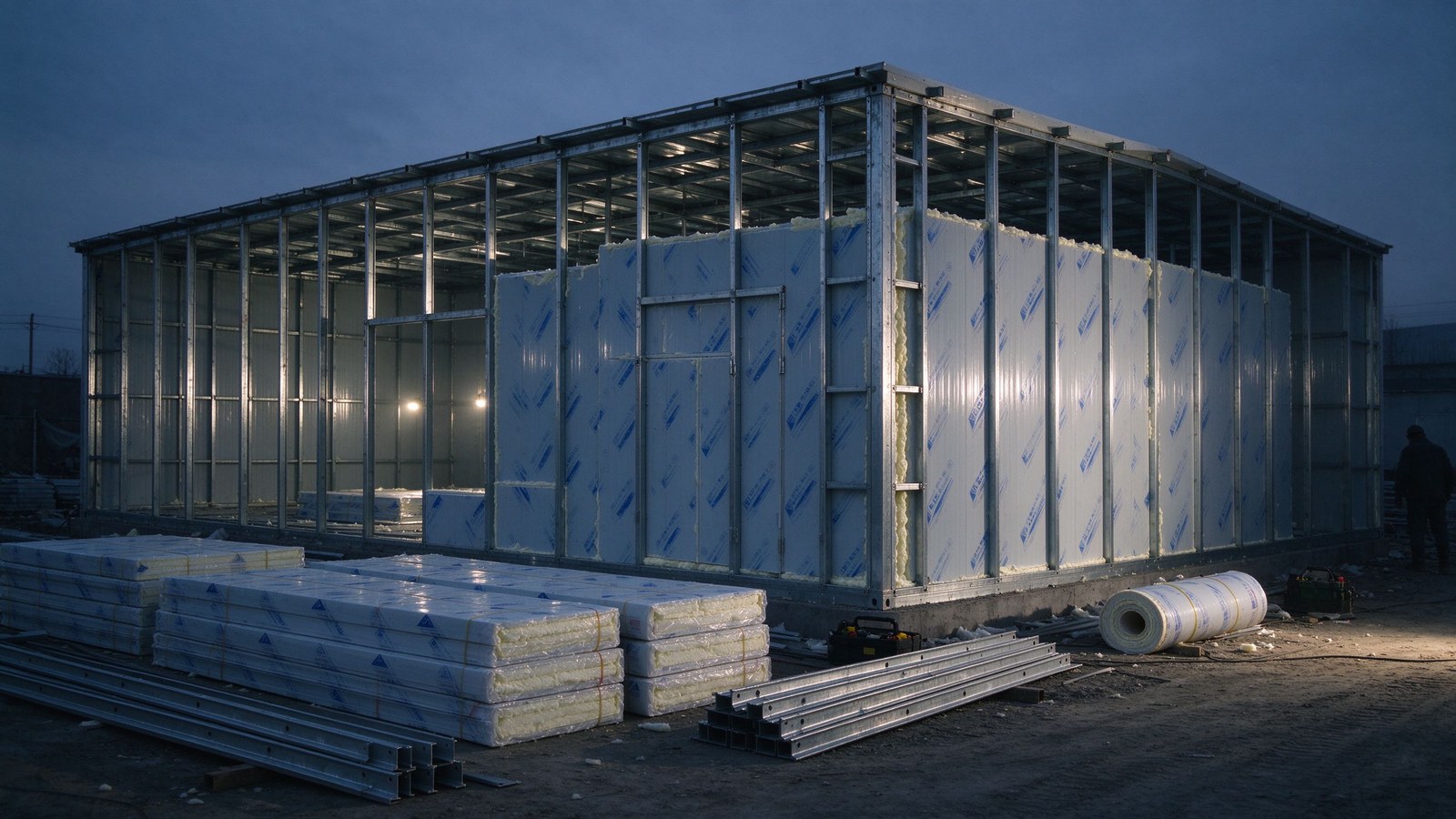
Cold room cost varies significantly with room type, temperature range, panel thickness, unit configuration and region. This article breaks down the cost structure, gives per-m² reference ranges for fresh-keeping, freezer and blast freezer rooms, and explains typical investment for a 100m² cold room to support budgeting.
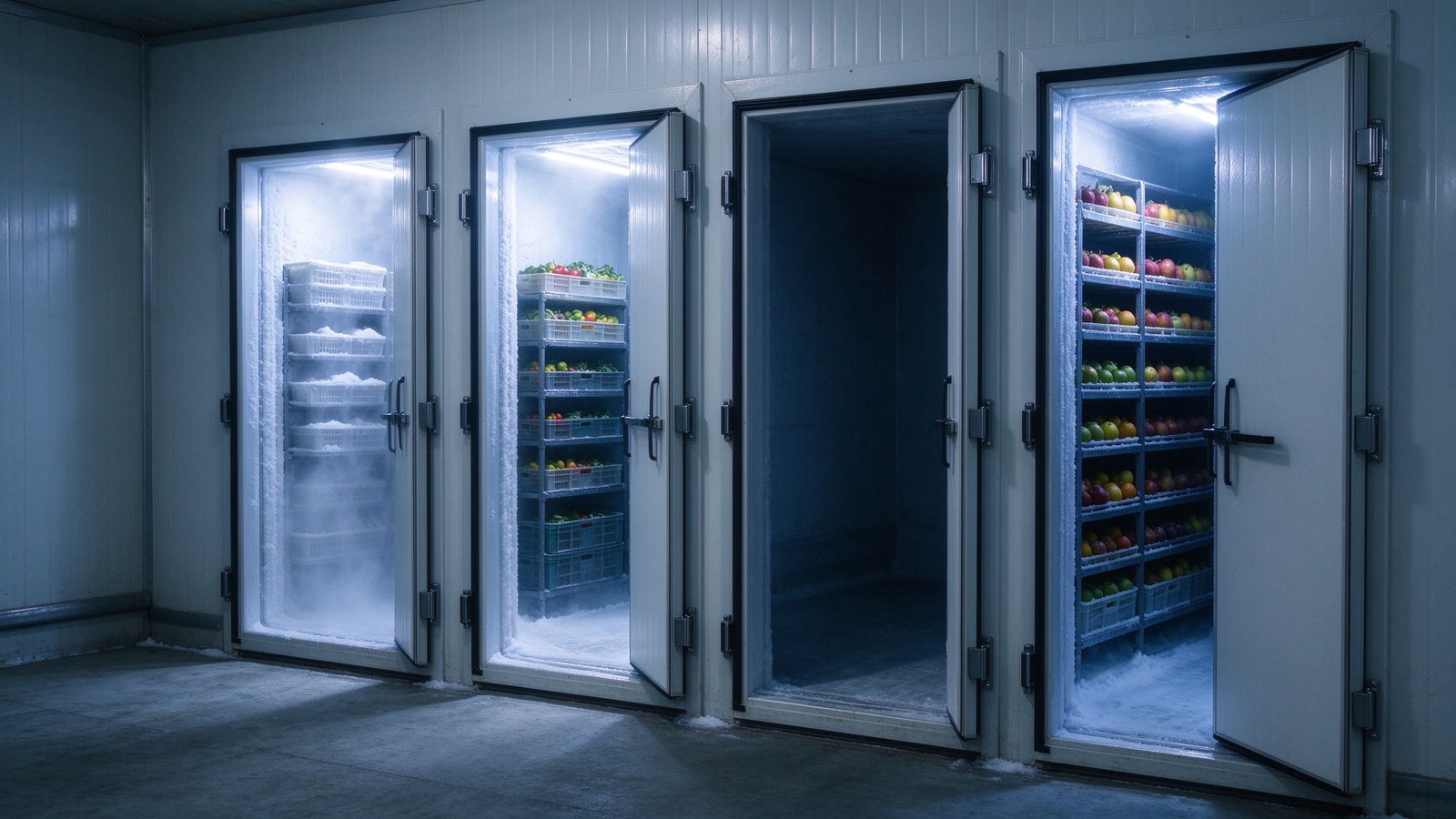
Cold room types are divided by temperature and gas composition into fresh-keeping, chilled, freezer, blast freezer and controlled-atmosphere rooms. This article compares CA and fresh-keeping rooms on humidity, oxygen and CO₂ levels, cost and suitable products, and explains construction points for each type.
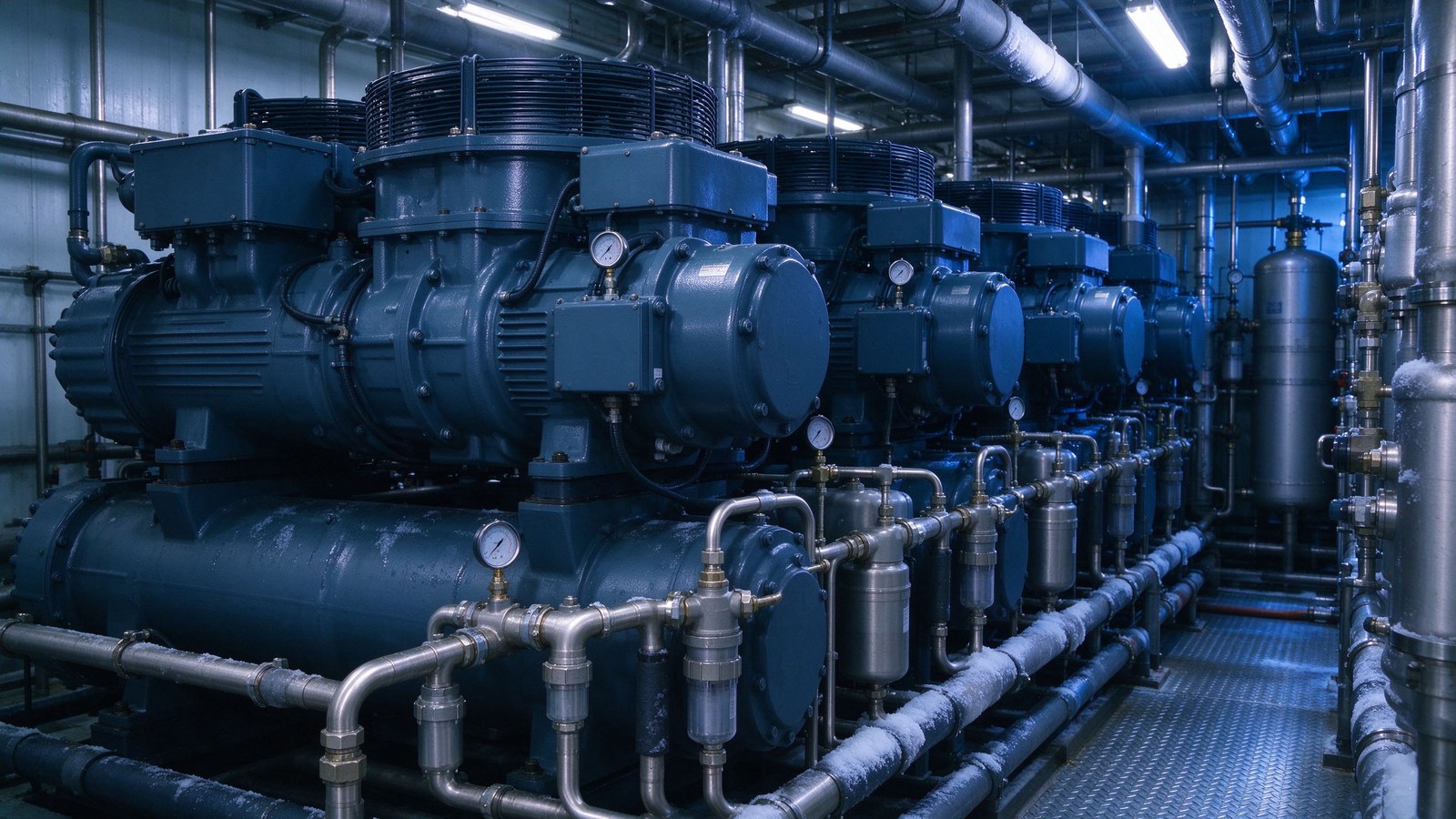
The refrigeration unit is the heart of a cold room, and selection must balance capacity matching, temperature range, running hours and maintenance. This article explains the basic approach to unit selection, compares reciprocating and screw compressors on capacity, efficiency, noise and maintenance, and gives recommendations by room size.
Send us your dimensions, temperature and product type and receive an engineering-backed proposal.